How do we reconcile?
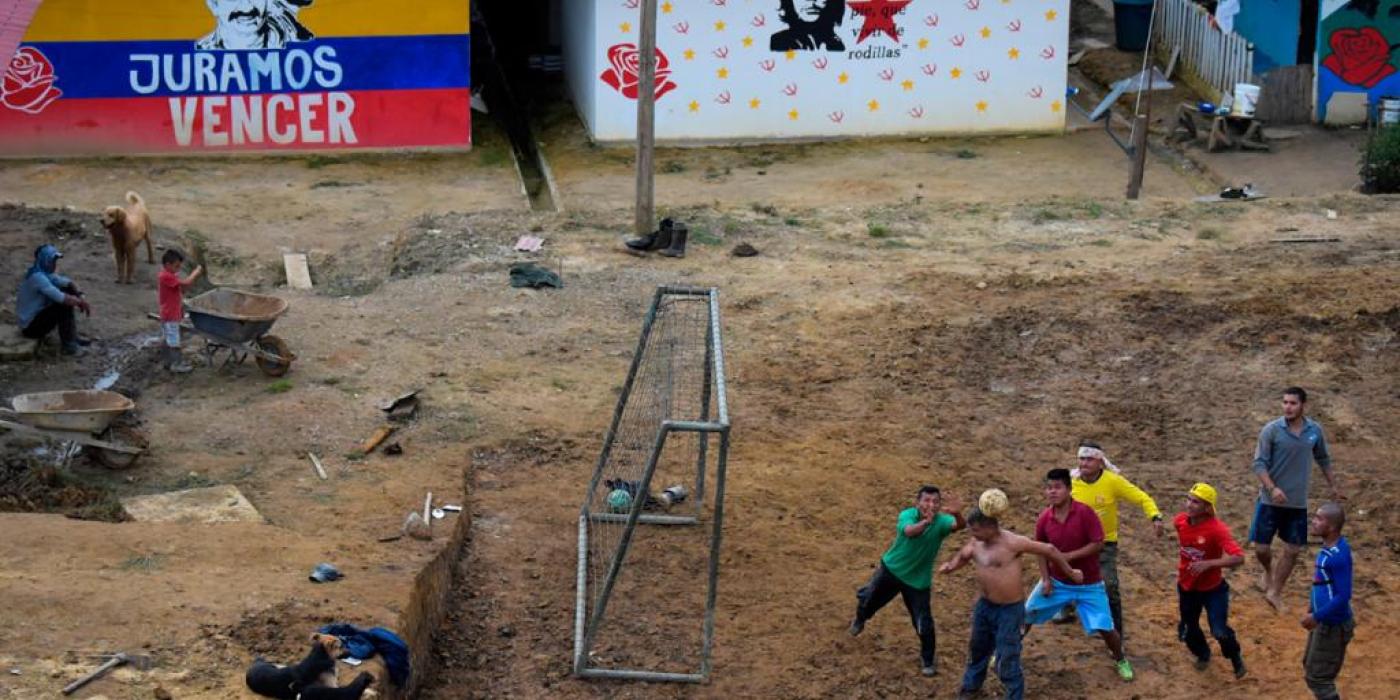
A large part of the population is willing to interact and undertake their daily activities with ex-fighters from the FARC.


The government and FARC guerillas signed a peace agreement in 2016 which put an end to the war that had shaken Colombia for the past six decades.
To analyze the willingness of Colombian families that were victims of the war to reconcile with ex-combatants, researchers from the Universidad de los Andes presented a representative survey to close to 4,500 households in 172 municipalities in the whole country that were affected by the armed conflict.
The information gathered in the study titled How do we reconcile? The role of violence, social and political involvement, and the State in attitudes towards reconciliation, undertaken by the Faculty of Economics, reveals that, “a large part of the population surveyed is willing to have normal, daily interactions with ex-combatants from the FARC.”
In the words of Ana María Ibáñez, one of the researchers and full professor in the Faculty of Economics: “Reconciliation is the foundation for a sustainable post-conflict situation in which there is no violence”.
Another one of the points that stands out in the document is that to promote reconciliation in the regions that have suffered war it is essential to identify individual experiences of violence, particularly the direct victims, as undertaking these reconciliation processes is not easy because of the psychological consequences of war.
For Andrés Moya, assistant professor in the Faculty of Economics, “The people who most suffered as victims have a higher prevalence of mental health disorders, and this affects the way in which they perceive these processes”.
Researchers also found that the most favorable attitudes towards reconciliation are associated with a higher level of trust in the judicial system and the army as well as the connection to political networks and participation in community organizations.
“People who are more politically active and who get involved in social organizations have better attitudes towards the peace process and reconciliation”, pointed out Leopoldo Fergusson – an economist and researcher on the project.
The data from this research comprise the first characterization of the municipalities prioritized in the post-conflict scenario, which could be tuned into a baseline to implement the peace agreement.
See the discussion with all of the results from the research project HERE:
Authors:
- Ana María Ibáñez, professor in the Faculty of Economics, Universidad de los Andes.
- Tatiana Hiller, research assistant in the Faculty of Economics, Universidad de los Andes.
- Leopoldo Fergusson, professor in the Faculty of Economics, Universidad de los Andes.
- Andrés Moya, professor in the Faculty of Economics, Universidad de los Andes.