Pasar al contenido principal
Texto alternativo imagen
Comunicado
21/08/2026

Spying on biodiversity

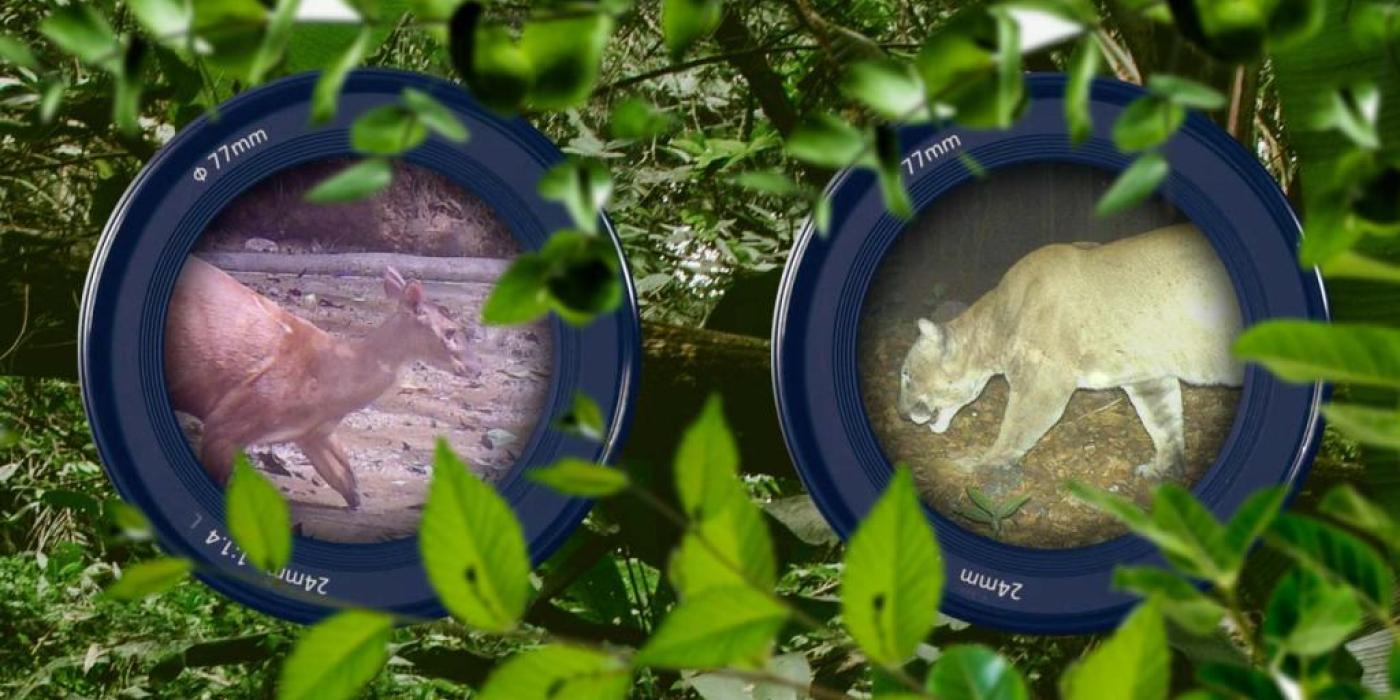
Thanks to camera traps, species of animals have been seen in areas of the country where they were thought to be extinct.

Camera traps have made it possible to observe the diversity of animals that live in a particular area of the country. By using these, landowners have been able to detect birds and mammals they never imagined were living on their land or that they thought were a mythical species not seen for so many years that they were considered extinct. This was the case with the tapir, which, after decades, was first spotted in an area of Santander.

“In fragmented areas of Magdalena Medio we have found jaguars, pumas, and also tapirs, which we also found recently in Santander, but had not seen for several decades”, commented Andrés Link: professor in the Faculty of Sciences at the Universidad de los Andes. “The camera trap detected some individuals in a private conservation area”.

Camera traps use motion and temperature sensors to film the animals that pass in front of them. This is not recent technology, but it always leads to new discoveries, which have allowed the Faculty of Sciences team to undertake several studies in these habitats. These include measuring how often animals visit a certain place and finding out the association that certain species have with different types of forests or vegetation.

Another one of professor Link’s studies has observed the spider monkey demographic, a threatened species, over the course of a number of years. The cameras have allowed him to identify each individual without the need for them to be directly monitored: something which is difficult to implement. The audiovisual recordings show which individuals are born and which ones die.

Where the cameras are placed depends on the objective of the task the researchers are undertaking. They can be placed with feed troughs or in places where the particular animal moves around; this is the case of spider monkeys that leave a trace of sand in the trees they climb down. For other more general samples, the decision of where to place the camera is taken by the laboratory in order to detect what animals live in hidden places.

Detecting these animals yields two positive results. It allows researchers to see the condition of and relationship between the animals in the different habitats and also allows the landowners—who help this research—to observe the richness of fauna they have on their land. It is hoped that this will make the inhabitants, who benefit from the land, more aware of what they have.

Diego Gamba Departamento de Química Uniandes
Nombramiento
16/04/2026
Renuevan nombramiento de Diego Gamba, director del Departamento de Química
El doctor en Química Orgánica seguirá fortaleciendo la relación con la industria y la formación de educadores de la disciplina.
Megalodon
Chip text
Comunicado
Hace 2 años
Después de 3 millones de años el megalodón vuelve a Bogotá
'Tiburones' y 'Colombia: del megalodón al tiburón linterna enano', un viaje al fascinante mundo de los tiburones. Visítelas desde el 8 de agosto.
Mileydi Betancourth, una científica innovadora y transformadora
Archivo
16/12/2022
Una bióloga innovadora y transformadora
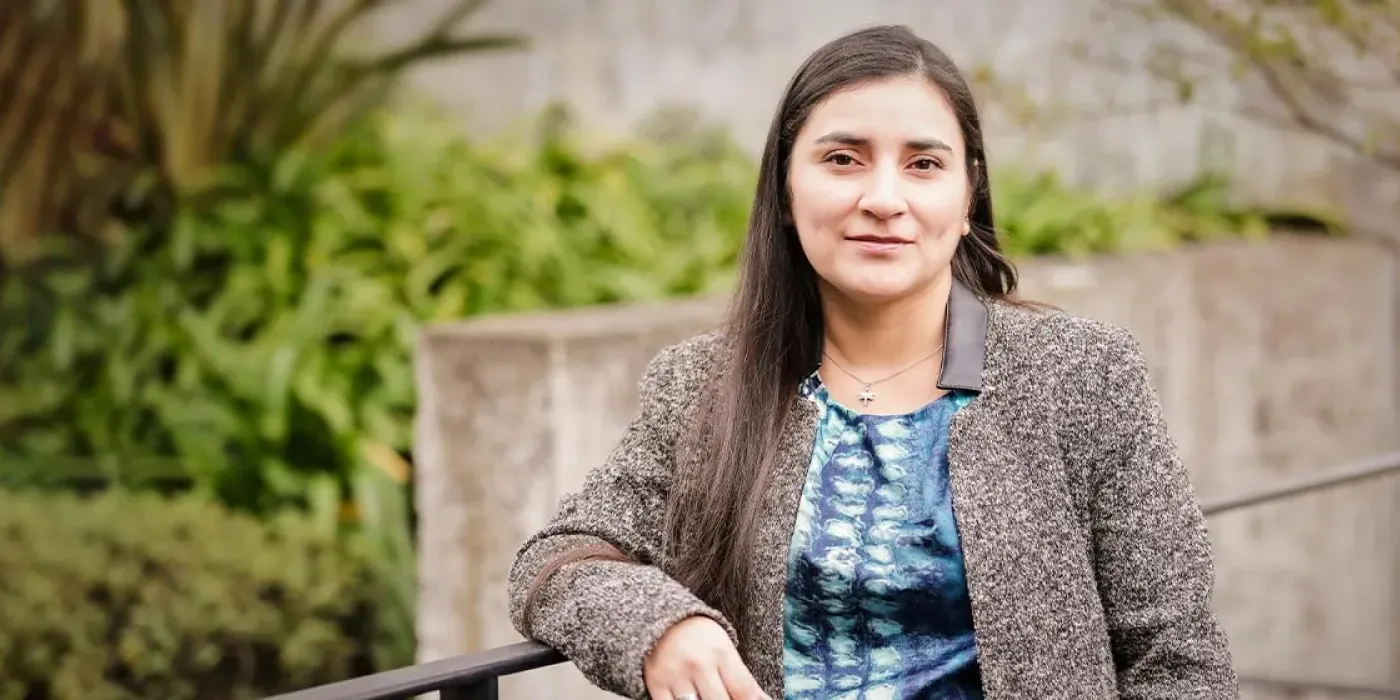
La bióloga Mileydi Betancourth, galardonada por L’Oreal en “Para las Mujeres en la Ciencia 2022” por su estudio sobre la ecología evolutiva de dos ranas venenosas.
Gustavo Petro presidente ciencia ambiente sostenibilidad
Archivo
11/07/2022
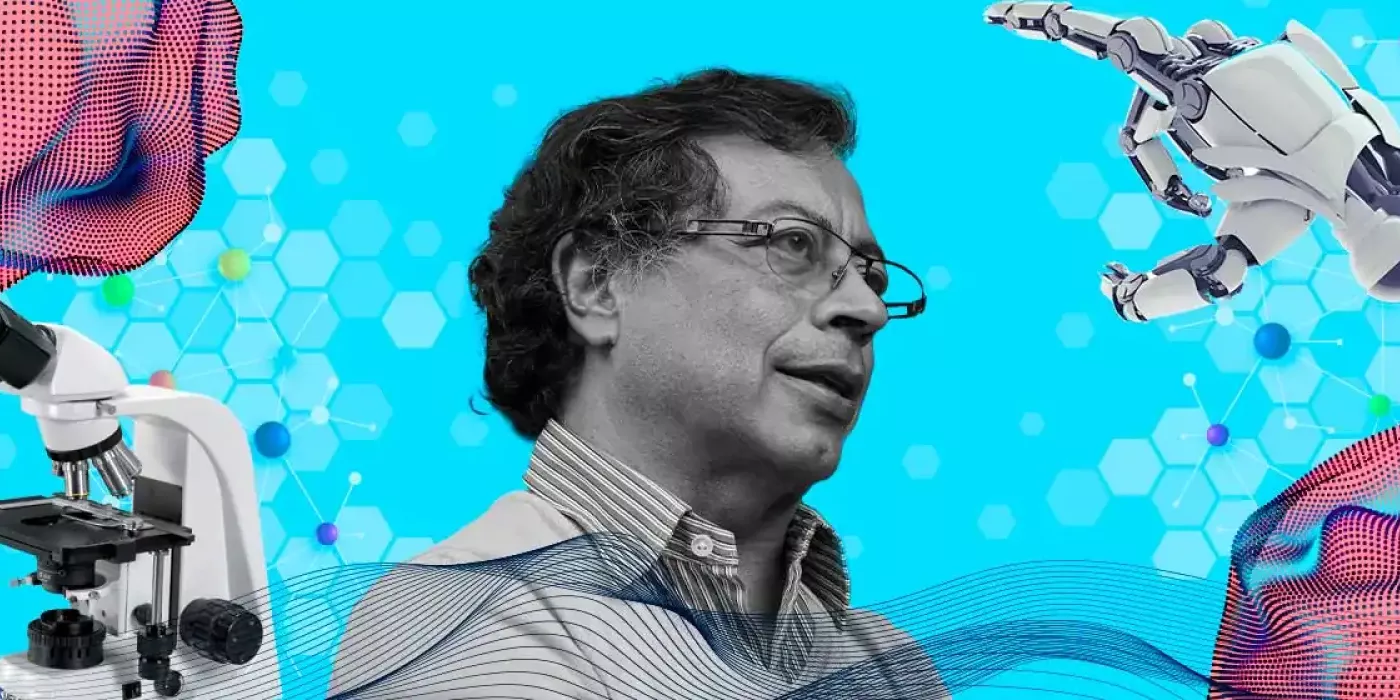
Los retos en ciencia para el Presidente electo
Una gran parte de la agenda del nuevo presidente gira alrededor de los temas científicos. Experto de Los Andes expone los desafíos en esta materia.
Mujer y cadáver en el laboratorio
Archivo
04/03/2022
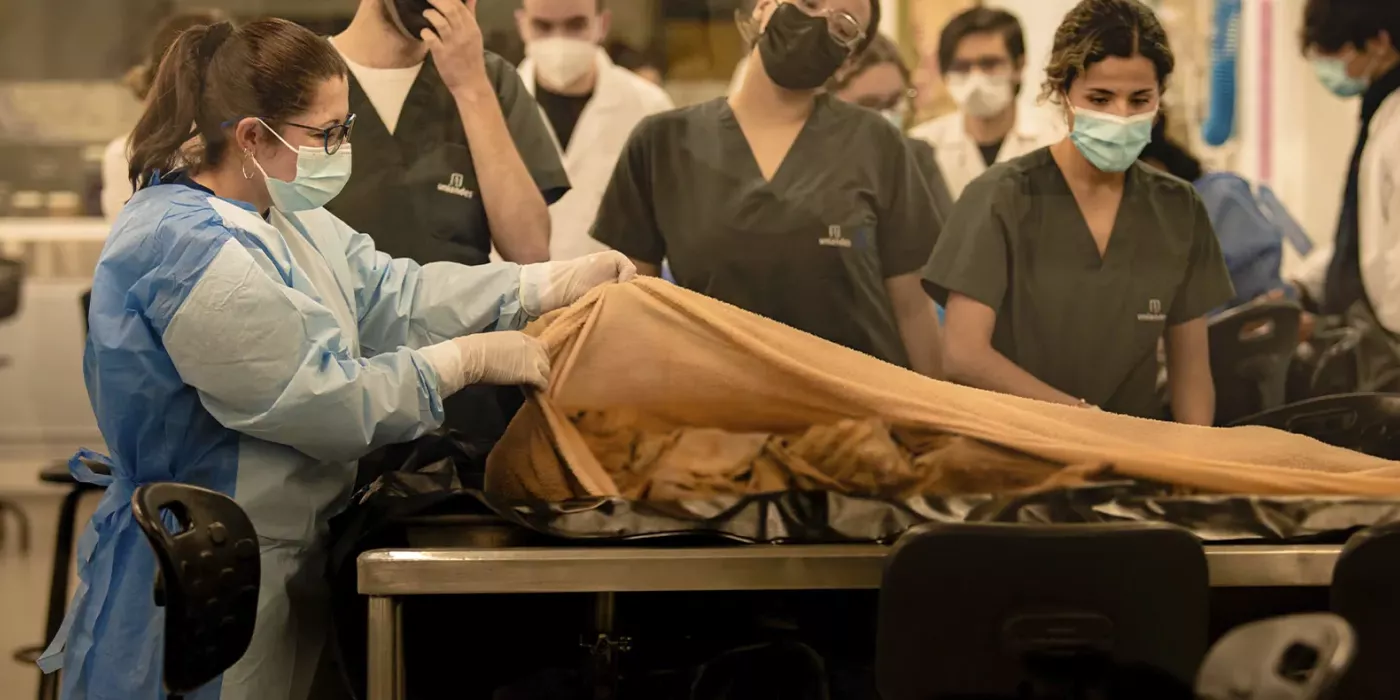
La mujer que le da vida al Laboratorio de Anatomía de Los Andes
Conozca el trabajo de Adriana Ortiz, encargada de preservar los cadáveres y órganos humanos usados para el aprendizaje de los estudiantes de Medicina.
Nombramientos en Facultad de Ciencias y Sistema de Bibliotecas
Nombramiento
19/05/2021
Nombramientos en Facultad de Ciencias y Sistema de Bibliotecas
La Rectoría aprobó los nombramientos de César Galindo como vicedecano académico en Ciencias y de Juan Pablo Siza como director de Bibliotecas.
Luis Quiroga Puello es nombrado Profesor Emérito de la Universidad
Nombramiento
07/11/2019
Luis Quiroga Puello es nombrado Profesor Emérito de la Universidad
El Consejo Académico de la Universidad de los Andes acordó nombrar al profesor de Física Luis Quiroga Puello como Profesor Emérito.
CODS: A center for a sustainable world
Importante
Comunicado
1 day ago
CODS: A center for a sustainable world
Alejandro Gaviria talks about the creation of the Center for Sustainable Development Objectives for Latin America and the Caribbean.
Diego Lucumí y Pablo Palacios, reconocidos como Afrocolombianos del Año
Reconocimientos
13/02/2018
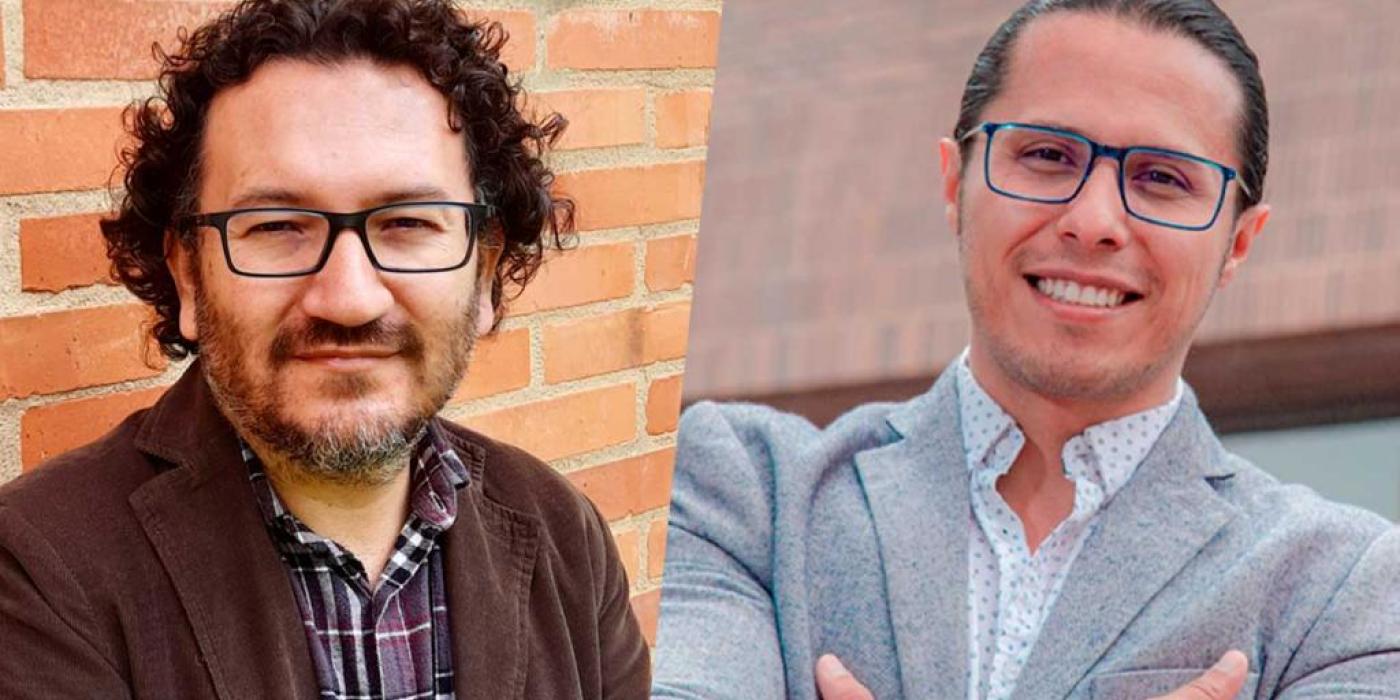
Diego Lucumí y Pablo Palacios, reconocidos como Afrocolombianos del Año
Gracias a su trabajo y sus aportes a la academia, Lucumí y Palacios fueron reconocidos por El Espectador y la Fundación Color de Colombia como Afrocolombianos del Año